


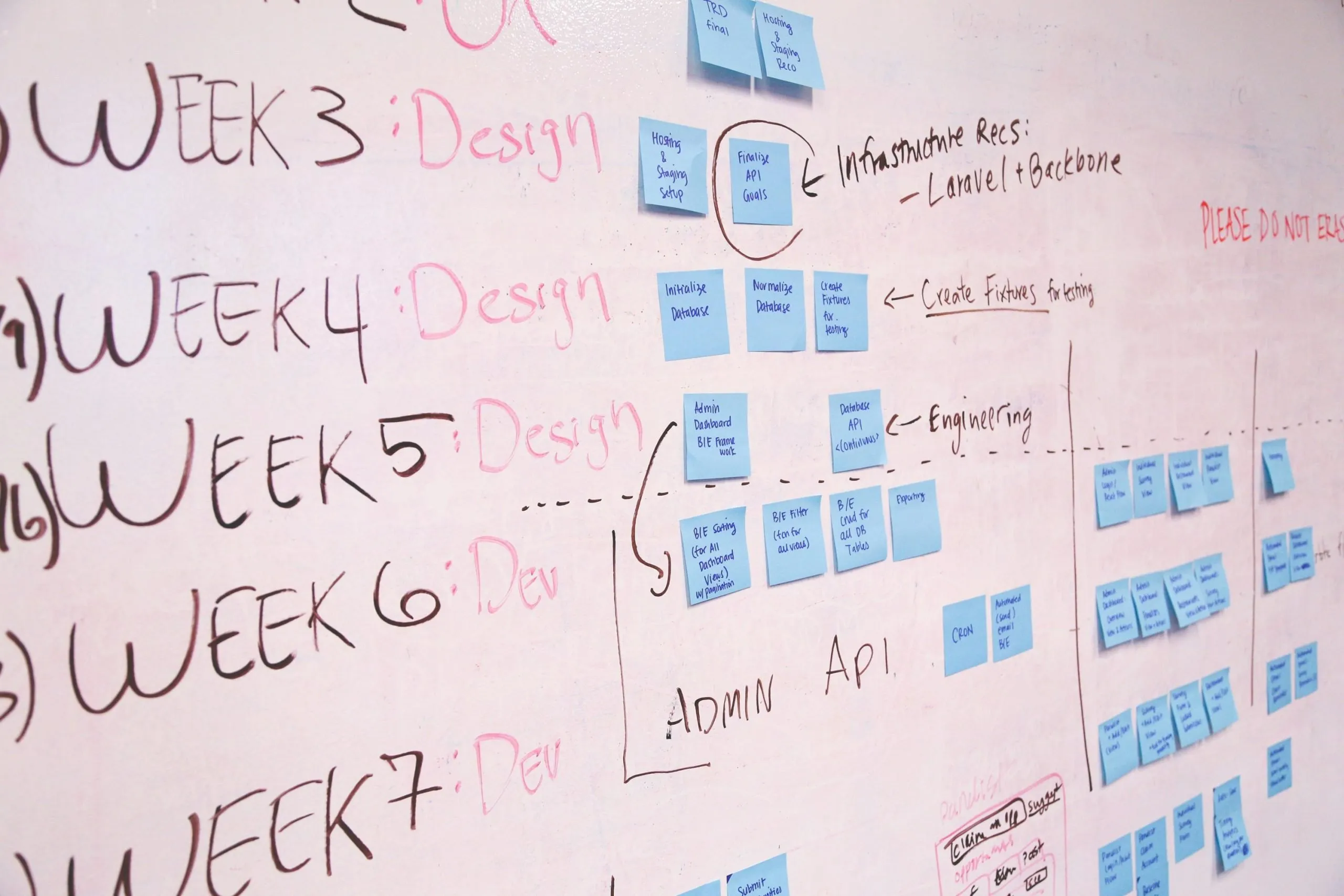
Has your team ever lost steam midway through an important project?
Thoughtful project kickoffs can be crucial for sustaining successful teamwork.
Why?
Kickoffs lay out the basic information that teams need to know in order to be successful.
Including:
→ The scope and goals of the project;
→ The timeline and key milestones;
→ How responsibilities will be shared;
→ How decisions will be made;
→ How the team will evaluate progress and make shifts as necessary.
And kickoffs offer a fresh start for many teams to address challenges from past projects and move forward with new energy.
The insights offered through DiSC® provide managers and leaders with a huge advantage when planning a kickoff. Even so, busy managers can often forget to use Catalyst™ for planning – missing out on critical information about team preferences & priorities.
Even a quick review of Catalyst™ may help managers avoid pitfalls in planning.

Step 1: Gathering Information for kickoff:
The first step is to gather the key information necessary for the group as a whole. The Scope, Goals, Timeline, Responsibilities and Main Outputs – are all factors that the whole team needs to be aware of in order to build trust in the process and execute effectively.
Sometimes this information is clear & concrete before you bring it to your team. In other situations, a kickoff meeting may be a time to collect ideas and information about key components of the plan. Involving team members in the process is great for buy-in, just be sure that the team is aware about how final decisions will be made.
“I’ll gather input here at this meeting. And I’m open to feedback over email. But by Tuesday I will be sharing a final plan for us all to share.”
Step 2: Sharing Information with the team
So…How does your team tend to react when you share information?
□ They jump into action even before you’re done with your overview.
□ They have at least 10 additional ideas.
□ They pepper you with questions about the details of the project.
□ They nod, ask no questions and seem to be longing to return to their desks..
Different DiSC® styles have different priorities and preferences for how they receive information. For example – i’s love brainstorming and improving the information that is coming their way. D’s are very keen to jump into action and are impatient with lengthy explanations. S’s feel uneasy when an overview is too high-level and doesn’t touch on feasibility – or if team members’ concerns are overlooked. Lastly, C’s might want to reflect on relevant data or key information prior to a meeting – to increase clarity and reduce in-person meeting time.
Knowing your team’s make-up, you can actually predict and plan for certain responses in your kickoff.
Using the “Groups” feature in Catalyst™ helps you to get a snapshot of the team so you can consider their tendencies as a group & as individuals. Then you can design a kickoff agenda, materials and follow-up that meets the diverse needs of your group.

Step 3: Coaching & Motivating the Group
Now that you’ve put so much thought into kickoff it would be a SHAME to lose steam due to a lack of motivation.
A quick team check-in about motivation in a project kickoff can help team members offer customized support and accountability to their colleagues. Have members review their motivational style under the “Workplace” feature on Catalyst™ prior to attending the kickoff. As an icebreaker or closer ask the team: Which of your motivators can you use to make this project successful for us as a team?
Managers can also use the “Working Together” feature in Catalyst™ to gain insights into individual members priorities, strengths and stressors. These details can be valuable for coaching and development conversations as the project evolves.
Did you know that I offer DiSC® training & coaching just for Managers?
There is a saying that people don’t quit their jobs, they quit their boss. Retaining great people is a complicated business. But managers really can make a difference in workplace functioning, culture and the satisfaction of employees.
In my Everything DiSC® Management program I help managers understand themselves so that they can better serve their teams.
It all starts with the DiSC® for Managers report (also available on Catalyst™) – which provides managers with insights about their own management style. Then we use our workshop or coaching time to learn about how to:
- Delegate
- Motivate
- Develop
- Coach
- …and Manage Up.
Workshops & coaching focus on real-world scenarios and provide a lot of time for demonstration, coaching and feedback.
Schedule a 30-min call for more information!
