


Key Takeaways from our February 2026 Webinar
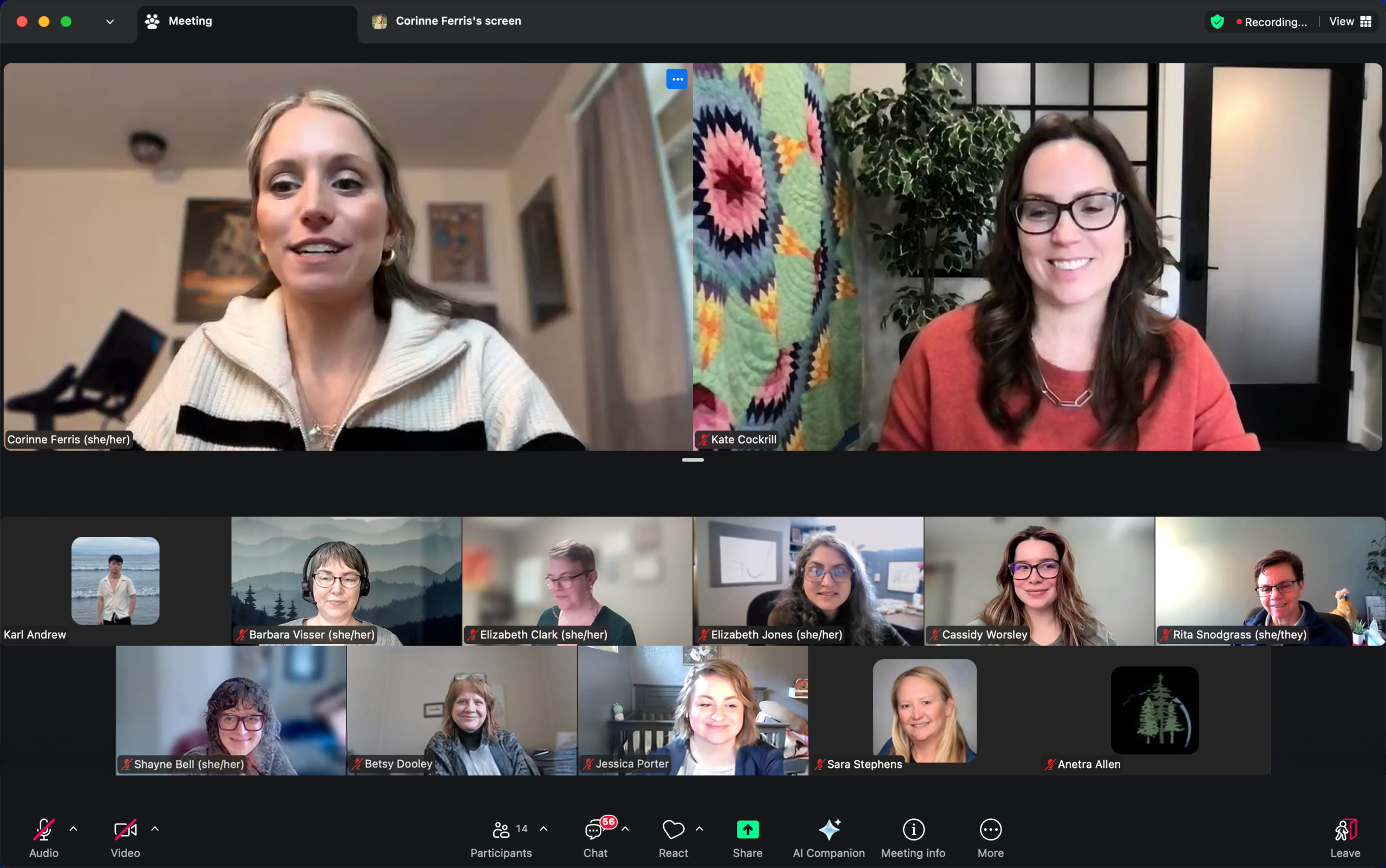
Every month, SkillCharter hosts a free webinar for leaders. In February, Corinne Ferris covered why people resist change and what leaders can do about it. Here’s the breakdown.
The Big Idea
When a team won’t get on board with a change, it’s almost always a leadership problem, not a people problem. People don’t resist because they’re difficult. They resist because the brain treats anything unfamiliar as a threat, and nobody walked them through what’s coming or why.
The Three I’s
Three things leaders need to give people to ease the stress of change:
- Information. When in doubt, share more. People fill silence with their own assumptions, and those assumptions are almost always worse than the truth. Be clear about what’s changing and what’s staying the same. Leaders tend to either share too much and overwhelm people, or share too little because they’re worried about having to change the message later. Both can backfire.
- Implementation. Show people what the change actually looks like in action. Explain the steps.
- Impact. Be forward about the end-goal. Share wins.
Three Reactions to Change
Not everyone reacts to change the same way. Here are three behaviors you may see, described as three types of bakers.
- The recipe adapter. They move fast and figure it out as they go. They’re often the first to try the change and can become a strong voice for it. The risk is that their speed creates friction with the other two types.
- The precision baker. They need the full recipe before they start. They ask a lot of questions, some of which feel repetitive, but they catch gaps that everyone else assumed were covered.
- The traditional baker. They aren’t putting rosemary in the bread. This is how things have always been done, and they’re not sure why anything needs to change.
It’s important to work with the resistors. They’re rarely just one person’s voice. The traditional baker is usually saying out loud what the rest of the team is too nervous to say, which makes them the most useful early warning a leader has. And the ones who come around tend to become the strongest voices for the change, since they’ve already been through the doubt themselves.
When They’re Still Not Moving
Even with all of this, some people stay stuck longer. A few things worth checking first:
- How much change is happening at once
- Resistance is often overwhelm in disguise. Someone being asked to change their tools, their workflow, and how they talk to clients all in the same quarter may not be stubborn but they be maxed out.
- The brain is wired this way
- The brain builds patterns over time, and change means rewiring them, which takes real time for habits someone has had for years. Corinne pointed to the book *Wired to Resist* on this.
- Involve resistors early
- Getting a likely resistor into the room before the change is even announced is one of the best moves a leader can make. If they’ve helped think through the problem, they’re far less likely to fight the solution. And if they still have doubts, those doubts get raised directly instead of going around the team.
- Separate what’s in a leader’s control from what isn’t
- Leaders can’t control how someone feels about a change. They can control how clearly they explain it, how available they make themselves, and how much they admit the change is hard. Focusing there, instead of on the reaction, makes the harder days easier.
What to Try This Week
- Pick a change that’s happening right now and ask which of the three I’s is missing. Is the frustration coming from not enough information? From not being able to picture how the change actually works? From not knowing what the point is?
- Pick one person who’s been pushing back and place them on the change curve. If they’re in anger, what do they need? If they’re in shock, what don’t they understand yet? If they’re in acceptance but haven’t hit hope, what win hasn’t been said out loud for them?
Want the Full Set of Repair Moves?
The key takeaways from the February session are in a downloadable PDF on LinkedIn, including the three I’s, the baker types, and the change curve. Download the key takeaways!
Resistance isn’t the enemy of change. It’s part of how change works. The leaders who get through it fastest are the ones who stop fighting the reaction and start working with it.